Understanding Linen Fiber: From Flax to Fabric
A concise guide to linen fiber, tracing its journey from flax plants to finished textiles. Explore the key properties that make linen breathable, durable, and ideal for sustainable bedding and decor.
Introduction: Why Linen Stands Out
Linen is more than a material—it's a story woven through centuries of craft, culture, and innovation. Derived from the flax plant, linen fibers carry a unique set of properties that make them particularly well-suited for home textiles. Breathability, exceptional moisture management, and a natural drape contribute to a cool, comfortable sleeping environment and a timeless aesthetic that ages gracefully.
In today’s market, linen appears in bedding that ranges from premium, stone-washed European linens to responsibly sourced organic linen collections. Brands like Coyuchi and Libeco—pacing the industry with sustainability and authenticity—demonstrate how linen can deliver both luxury and practical performance. This article traces linen from its flax origins to the finished fabric, offering guidance for evaluating linen products and understanding the science behind its comfort.
From Flax to Fiber: The Linen Production Journey
The journey of linen begins with flax plants, whose long, strong fibers are harvested and processed through a series of steps that transform them into usable yarn. The essential stages include retting, breaking, scutching, hackling, spinning, and finally weaving or twill/plain finishes. Each phase contributes to the fabric’s characteristic texture, strength, and natural irregularities such as slubs—those subtle, organic variations that celebrate linen’s tactile richness.
Retting, a process that separates fiber from the stem, can be achieved through dew, water, or chemical methods, each imparting a distinct texture and character. After retting, the fiber is scutched and hackled to remove impurities and align the fibers for spinning. The spinning step converts the fibers into yarn, which is then woven into linen fabric. The resulting textile gains its signature breathability and moisture-management capabilities, making linen a preferred choice for bedding and bath textiles.
The finished linen is often stone-washed or garment-washed to soften the hand, reduce stiffness, and enhance drape. This treatment also contributes to a lived-in feel that many shoppers associate with premium linen. European mills have a storied legacy in linen production, with Belgium, France, Portugal, and the Netherlands as notable hubs. Across these regions, the emphasis is on quality fiber, sustainable farming practices, and craftsmanship that respects the material’s history while embracing modern performance standards.
Linen in Modern Bedding: What to Look For
When shopping for linen bedding, there are several practical indicators of quality and performance. Consider fiber content, weave, weight (measured in GSM or oz/yd²), and the presence of sustainability certifications. Linen blends exist, but 100% linen remains the benchmark for breathability and temperature regulation. A well-cut flat sheet and fitted sheet pair with pillowcases that showcase refined finishes—such as subtle hemstitching or pick stitching—can elevate the entire sleep experience.
The market has seen a rise in GOTS-certified linen, signifying responsible organic fiber sourcing and ethical production practices. GOTS-certified linen typically ensures the flax is grown without prohibited pesticides and that the textile processing maintains high environmental and social standards. This certification is particularly important for consumers who prioritize sustainability from farm to finish.
For those seeking a balance between luxury and everyday practicality, stone-washed or garment-washed linen sheets offer a soft, relaxed hand from first use, with a texture that deepens with age. Such finishes align with contemporary design sensibilities, providing a versatile canvas for various bedroom aesthetics.
Care, Durability, and Longevity: How to Treat Linen
Linen’s acclaimed durability stems from its strong fiber structure. It tolerates repeated washing and, with proper care, tends to soften rather than fray. To protect its integrity, follow these guidelines:
- Wash linen in cold to warm water; avoid hot temperatures that can cause excessive shrinkage.
- Avoid chlorine bleach; opt for gentle detergents that preserve fiber softness.
- Tumble dry on low or line-dry to minimize wrinkles; iron on cotton setting if you desire a crisper finish.
- When drying, remove promptly to reduce deep-set wrinkles and keep the fabric smooth.
A key benefit of linen care is that it ages gracefully. As linen pillows or sheets are used, their texture becomes more nuanced and comfortable, a hallmark of high-quality, long-lasting textiles.
Glossary: Quick Reference for Linen Terms
To help readers navigate linen terminology, here is a concise glossary:
- Flax: The plant whose fibers become linen.
- Linen: The yarn or fabric made from flax fibers.
- Bast fiber: A natural fiber from the plant stem, such as flax.
- Slub: A natural irregularity in linen fabric that adds texture.
- Retting: The process of breaking down pectin to separate fibers from the stem.
- Hemstitched: A decorative stitch used to finish the edge of fabric.
- GOTS: Global Organic Textile Standard, a key sustainability certification.
Sustainability and Linen: Why Linen Matters
Linen is inherently eco-conscious thanks to flax, a plant that typically requires less water and fewer pesticides than some other fibers. The environmental footprint of linen is further reduced when produced in mills with transparent supply chains and responsible finishing processes. The linen lifecycle—from farming to finishing—offers opportunities to minimize waste and maximize recyclability. As consumers increasingly demand sustainable options, linen’s durability and low-maintenance care reinforce its role as a climate-conscious choice for bedding and home textiles.
Brands that emphasize transparency and certifications—such as GOTS—empower shoppers to make informed decisions. The combination of natural fibers, responsible farming, and durable construction makes linen a cornerstone of sustainable interior design.
Historical Voices: Three Key Individuals Across Time
Linen’s story spans centuries, shaped by artisans, scientists, and designers who recognized its potential. Here are three influential figures who helped shape linen’s legacy, each representing a distinct era.
1) Pliny the Elder (23–79 CE)
An ancient Roman naturalist whose encyclopedic writings documented textiles, farming, and craft. Pliny’s observations on flax cultivation, fiber properties, and the trade networks of the Roman world offer a historical lens on linen’s long-standing cultural significance. His era marks linen’s prestige as a material fit for settlement, trade, and daily life across the empire.
2) Jean-Baptiste Goiffon (17th–18th centuries)
A figure associated with the European textile guilds during the early industrial era, Goiffon’s era witnessed mechanization, improved spinning techniques, and refined weaving methods that elevated linen production. His contributions symbolize the shift from handcraft to organized industry, laying groundwork for modern linen mills in Belgium and France.
3) Anni Albers (1899–1994)
A pioneering textile artist and designer of the Bauhaus movement, Albers celebrated textile materiality and experimental weave structures. Her advocacy for material-driven design helped elevate linen as a modern textile for home furnishings and art. Albers’ philosophy—emphasizing craft as a form of intellectual inquiry—continues to inspire contemporary linen designers.
Each of these figures, across different centuries, contributed to linen’s enduring status—from agricultural practice and industrial optimization to modern design and textile artistry. Their legacies remind us that linen is not merely a fabric; it is a living thread that ties history, craft, and sustainable living together.
Product Spotlight: Bovi Vintage Linen Duvet Covers
A standout example of linen in contemporary bedding is the Bovi Vintage Linen Duvet Covers. Crafted from 100% European stonewashed linen, these covers fuse timeless romance with modern practicality. The delicate lace trim adds a refined touch, while the stonewashing process yields a relaxed drape that invites touch. Available in elegant colorways, this duvet cover embodies linen’s ability to blend heritage with current aesthetics—an ideal case study for understanding how linen can translate into a luxurious, everyday bedroom staple.
Bovi Vintage Linen Duvet Covers
100% European stonewashed linen. Delicate lace trim detail. Boutique-quality craftsmanship that ages beautifully.
Price: $724.00
Note: Image previews are provided for reference.
For readers exploring linen’s potential in premium bedding, the Bovi collection demonstrates how pure linen, refined finishing, and timeless details translate into everyday luxury. The fabric’s breathability and natural texture offer a sleeping environment that remains cool in warmer seasons and pleasantly warm in cooler months.
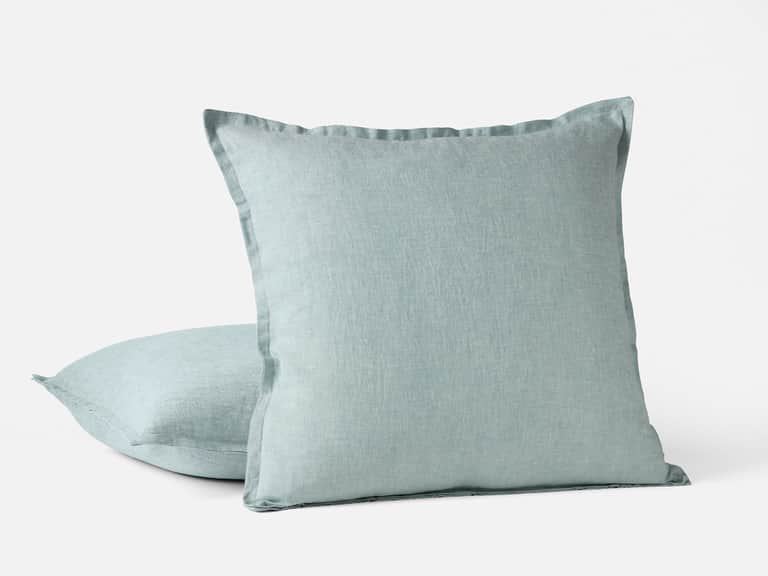
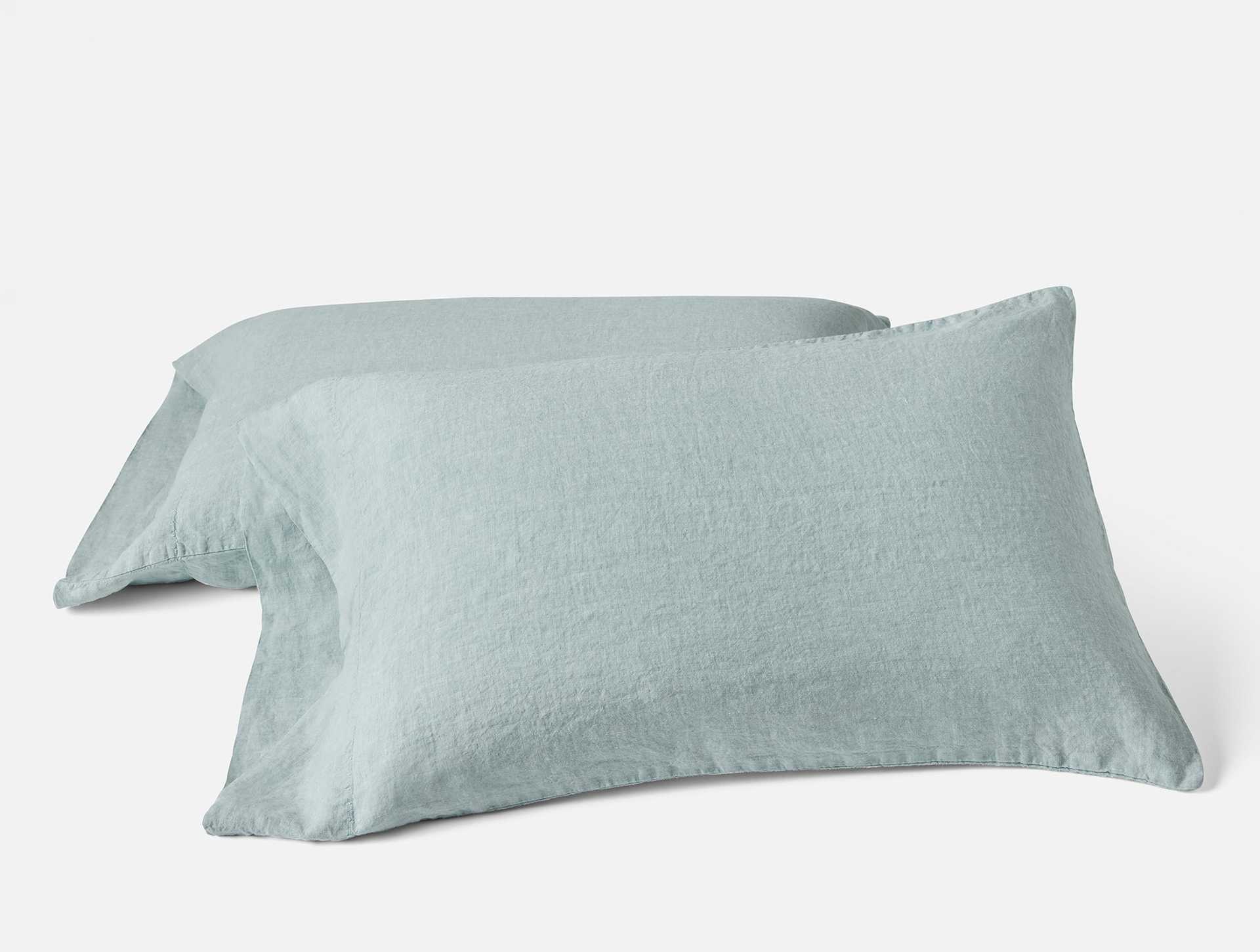
Images display product visuals: Bovi Vintage Linen Duvet Covers and accompanying shams. Access to product images is provided when viewing the article in compatible environments.
Editorial Notes: How Linen Shapes Modern Interiors
Linen’s influence extends beyond bedding. Its presence in bath textiles, curtains, and decorative pillows helps create cohesive, breathable interiors. The material’s natural slubs and soft hand add depth to neutral palettes and lend a sense of authenticity to minimalist schemes. In editorial design, linen can anchor a “library-like” aesthetic—clean typography, careful margins, and generous white space—while offering tactile, sensory interest for readers.
In a world increasingly mindful of sustainable materials, linen stands out for its longevity, circular potential, and enduring beauty. Its ability to pair with other natural fibers—cotton, wool, or hemp—expands design versatility, enabling a layered, textured approach to interior fashion.
Conclusion: Linen as a Living Material
Linen remains a living material—one that connects the ancient flax fields to contemporary design studios. Its breathability, moisture management, and durable character make it a reliable choice for bedding and home textiles. As science and craftsmanship advance, linen continues to embody sustainable luxury, offering a material narrative that readers can feel, touch, and trust.
LinenInternational’s focus on education and reference helps demystify linen for students, researchers, and enthusiasts alike. By presenting a robust glossary, a production overview, and thoughtful design perspectives, the site frames linen as a material with both historical depth and modern relevance.