Linen Education & Bedding Guide
A Practical Guide to Naturepedic Organic Linen Duvet Covers
A duvet cover can shape how a bed feels, looks, and functions through the seasons. Naturepedic organic linen duvet covers combine flax-based fabric, a relaxed texture, and considered construction. Here’s what to check before choosing one—and how to care for it once it’s on the bed.
What makes a linen duvet cover different?
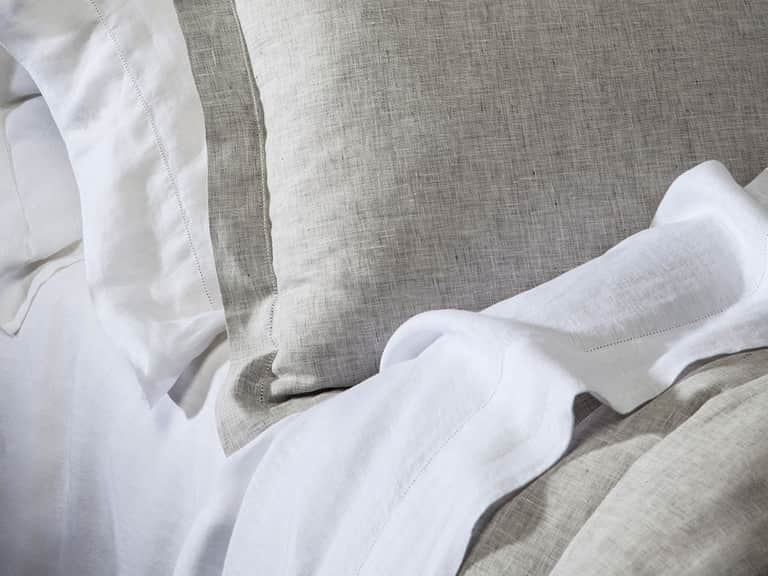
Linen begins with flax, a plant whose fibers are spun into yarn and woven into fabric. The finished textile is known for its distinctive natural texture: it may feel crisp or pleasantly substantial at first, and it tends to develop a softer hand with use and laundering. Unlike a duvet insert, which supplies warmth and loft, a duvet cover is the removable outer layer. It protects the insert, adds color and texture to the bed, and can be washed separately.
For sleepers comparing linen with smoother, more uniform-feeling fabrics, the tactile difference is part of the appeal. Linen often has visible slubs—small irregularities in the yarn that give the surface character. That texture is not necessarily a flaw. It is a natural feature of the fiber and construction, and it contributes to linen’s relaxed appearance.
Naturepedic’s organic linen duvet cover is described as made from certified organic flax grown in France, with linen woven in a GOTS-certified facility in India. Its listed fabric weight is 185 grams per square metre. The cover is stone-washed, a finishing process that gives the fabric a softer, more lived-in feel. For current specifications, sizes, and available colors, consult the Naturepedic Organic Linen Duvet Cover Sets product details, since product information and availability can change.
These details are useful because “linen” alone does not describe every aspect of a textile. Fiber source, processing, fabric weight, finishing, and construction all influence the way a cover feels and performs. A careful comparison looks beyond the material name and considers the complete product.
Understanding organic certification
Organic claims can refer to different stages of a textile’s supply chain, so it is worth checking exactly what a certification covers. The product information identifies the duvet cover as GOTS-certified organic and notes flax grown in France. The Global Organic Textile Standard, commonly abbreviated as GOTS, is a textile certification framework with criteria for organic fiber processing and other aspects of production. The precise scope depends on the certified product and supply-chain documentation.
Certification is more informative than relying on an unqualified “natural” or “eco-friendly” description, but it is not a guarantee that a product has no environmental impact. Agriculture, processing, dyeing, finishing, transport, packaging, and the product’s useful life all matter. A considered assessment reads the certification claim alongside the available material and manufacturing information.
When reviewing a label or product page, look for the name of the standard rather than assuming that the word “organic” means the same thing in every context. If a particular certification is important to your decision, check the current certificate or ask the seller for clarification about the certified product and its scope. This is especially helpful when a product description mentions several countries, since growing, spinning, weaving, finishing, and sewing may take place in different locations.
Organic flax and certification can help shoppers make a more informed comparison, but they do not replace practical considerations. A cover still needs to match the duvet insert, suit the sleeper’s preferred texture and weight, and fit the household’s laundering routine.
Fabric weight, feel, and seasonal comfort
Fabric weight offers one useful point of comparison. Naturepedic lists this linen at 185 gsm, or grams per square metre. That figure describes the mass of the fabric over a measured area; it is not a direct comfort rating. A heavier fabric may feel more substantial in the hand, but the weave, yarn, finishing, duvet insert, room temperature, and personal preferences all influence the experience on the bed.
Linen is often chosen for its breathable, moisture-managing character. Its structure can allow air to circulate and moisture to move away from the surface, which many people appreciate in warm conditions. That does not mean every linen cover will keep every sleeper cool. A duvet’s insulation, the room’s climate, sleepwear, and individual temperature preferences remain important parts of the equation.
The same cover can be used throughout the year by changing the duvet insert beneath it. A lighter insert may suit warmer months, while a warmer one can provide extra insulation when temperatures fall. Linen’s texture and drape make it a versatile outer layer, but the insert—not the cover alone—does much of the work of determining bed warmth.
Naturepedic describes its linen as breathable and suitable for year-round comfort. Treat that as a useful material characteristic, not a promise that the cover will regulate every sleep environment in exactly the same way. If you sleep warm, consider the weight of your insert and the temperature of your room alongside the cover’s fabric. If you prefer a cozier bed, layering can provide warmth without requiring a heavier outer textile.
Stone-washing is another detail that may shape first impressions. It is used to soften the fabric and create a relaxed finish, so the cover may feel less crisp than untreated linen. Over time, repeated laundering and use can further change linen’s hand. Many owners value this gradual softening, though anyone seeking a perfectly smooth, pressed surface may prefer a different textile or a more structured finish.
Fit: match the cover to the insert
A well-fitting duvet cover should suit the dimensions of the duvet insert, not just the mattress. Check the listed cover measurements and compare them with the insert’s dimensions before ordering. Size labels such as Full/Queen or King/California King can cover a range of bedding conventions, so measuring is more reliable than assuming that two products with similar labels will fit identically.
The Naturepedic product information lists two size groupings: Full/Queen and King/California King. It gives dimensions of 90 by 92 inches for the Full/Queen cover and 106 by 92 inches for the King/California King cover. These measurements are a starting point, but the insert’s actual dimensions should guide the final choice. If your insert is unusually thick, oversized, or from a different sizing system, check the product specifications carefully.
Fit affects both appearance and everyday comfort. An insert that is too small can shift inside a roomy cover, leaving empty corners or an uneven surface. An insert that is too large may bunch and place strain on seams or fastenings. The goal is a cover that accommodates the insert without excessive slack or compression.
Before washing a new cover, it can be useful to confirm the fit with the insert and learn how the fastening system works. This helps avoid surprises after laundering and makes it easier to identify which side of the cover aligns with the top of the duvet.
Fastenings and construction details
The listed Naturepedic cover includes corner ties designed to help hold the comforter in place. These ties connect to loops on a compatible duvet insert, where available. When attached at the corners, they can help reduce shifting as the bed is made or used. They do not replace a correctly sized cover and insert, but they can make the pairing feel more secure.
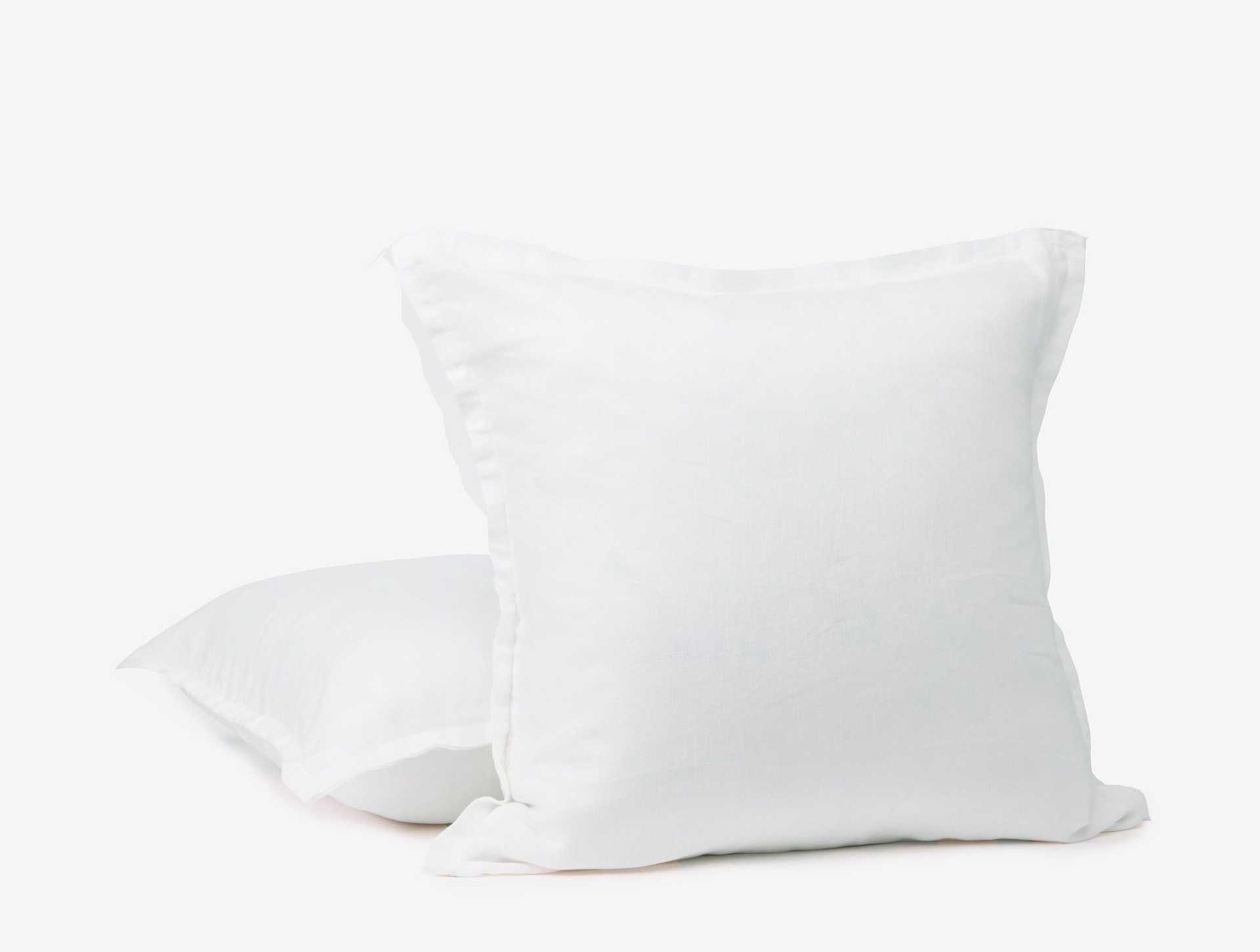
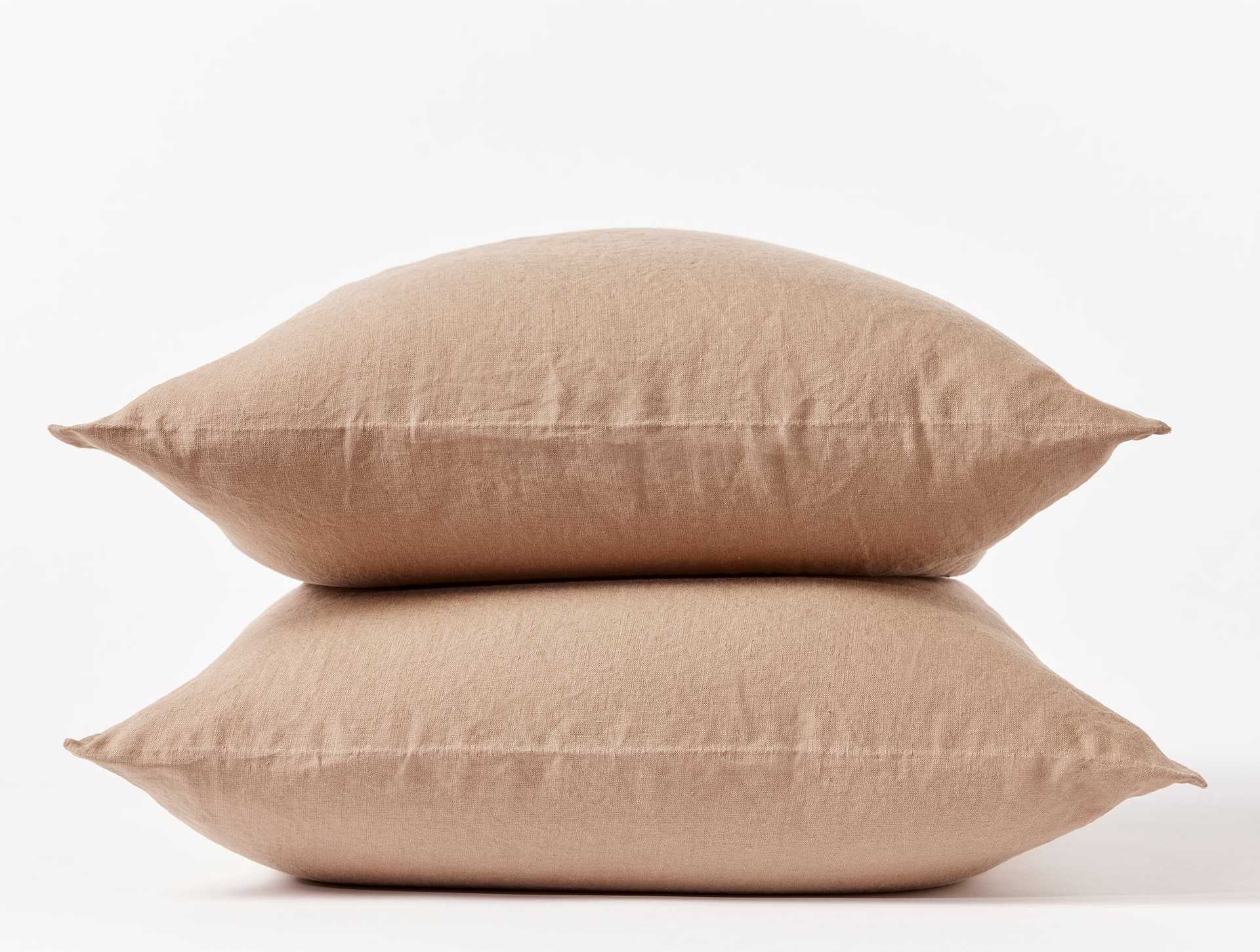
The set is described as including the duvet cover and two pillow shams. The product details also list coconut shell buttons as part of the construction. Fastenings are small features with a practical role: they help close the cover and keep the insert enclosed. Before purchasing, check the current listing for the exact closure design and included pieces, particularly if you already own coordinating bedding or need a specific sham size.
Look over construction details in relation to your routine. Corner ties are useful only if they can be attached to the insert, and a button closure may require a little more time to fasten than a zip. Either approach can work well when handled with care. When removing the cover for laundering, open it gently and avoid pulling sharply on buttons, ties, or seams.
Small details such as seam finishing, closure placement, and the cut of the cover can affect ease of use and longevity. Product descriptions do not always provide every measurement or construction feature, so consult the latest manufacturer information if you need a particular specification. Avoid assuming that details from another Naturepedic linen product necessarily apply to the duvet cover.
A practical approach to linen duvet cover care
Good care starts with the instructions for the exact product. Naturepedic lists machine washing in warm water, tumble drying on low, warm ironing if desired, and no bleach for this duvet cover. Follow the current care label, which takes precedence if instructions have been updated or differ from general guidance. If the cover has a specific stain, finish, or care concern, check with the manufacturer before using a treatment that is not listed.
Before washing, close buttons as directed and turn the cover inside out if that suits the label’s guidance. Wash it with similar colors and avoid crowding the machine. Linen needs room to move through the wash and rinse; an overloaded drum can make cleaning less even and may place unnecessary stress on the fabric. Use an appropriate amount of detergent rather than adding extra in the hope of getting a better result.
Warm water and low tumble drying are the care directions given for this particular cover. Do not substitute hot washing or high heat just because another linen item permits it. Excessive heat can contribute to shrinkage, creasing, or premature wear. Remove the cover when the cycle is complete, shake it out, and finish drying according to the label. If line drying is convenient, verify that it is compatible with the manufacturer’s instructions.
Bleach is specifically excluded in the listed guidance. Avoid chlorine bleach and products containing bleach unless the care label clearly permits them. Fabric softener is not identified as necessary in the product instructions; avoid adding extra treatments unless recommended. A familiar, repeatable routine is generally preferable to experimenting with strong cleaners or high-temperature cycles.
Linen naturally wrinkles, and its relaxed look is part of its character. If you prefer a neater finish, the product information allows warm ironing. Ironing while the fabric is slightly damp may help smooth creases, but always check the care label and test a discreet area if you are uncertain. A completely pressed finish is not essential for the fabric to be comfortable or useful.
Keeping the fabric in good condition
Most bedding benefits from being handled gently. Avoid pulling the cover across rough surfaces, and keep it away from sharp edges that could snag the weave. When changing the bed, remove the insert without tugging hard on the corners. If you use the corner ties, untie them rather than wrenching the insert free.
Store a clean cover in a dry, well-ventilated place. Make sure it is fully dry before folding it away, since trapped moisture can create unpleasant odors and may damage textiles over time. A breathable storage space is preferable to compressing damp or freshly laundered linen in a sealed container.
Repeated washing is part of normal bedding care, and linen may become softer as it is used. That change in texture is not necessarily a sign of damage. At the same time, softening does not mean the fabric is indestructible. Following the wash temperature, drying method, and bleach guidance on the label helps limit avoidable stress.
For a stain, act promptly but cautiously. Blot rather than rub, and avoid applying a harsh spot treatment without checking whether it is suitable for the fabric and finish. If the stain is persistent, the care label or manufacturer can offer product-specific advice. A gentle approach is especially sensible for a cover with a natural fiber and a stone-washed finish.
How to decide whether this cover suits your setup
Start with the insert. Confirm its dimensions, check whether it has corner loops, and decide which listed cover size is the closest match. Next, consider the feel you enjoy. A stone-washed linen surface has a casual, textured character that differs from a smooth, tightly finished sheet fabric. If you like a relaxed bed that becomes softer with use, this type of linen may appeal to you.
Then weigh the product’s details against your preferences. The listed fabric weight is 185 gsm; the cover is described as GOTS-certified organic linen made from flax grown in France; and the product information identifies corner ties, coconut shell buttons, and two included shams. These specifics help make a comparison more concrete than a broad claim about luxury or comfort.
Finally, think about maintenance. The stated routine calls for machine washing in warm water, low tumble drying, optional warm ironing, and no bleach. If that aligns with your laundry setup, the cover may be straightforward to maintain. If you prefer a textile that never wrinkles or requires a crisp finish after washing, linen’s natural texture may not match your expectations.
It can also help to consider the rest of the bed. A duvet cover does not have to match every sheet or pillowcase exactly. Linen can sit comfortably alongside a range of simple bedding, while matching pieces create a more coordinated appearance. For example, the Naturepedic Organic Linen Sheets are described as a complementary organic linen option. Check their specifications separately rather than assuming their weight, dimensions, or care instructions are identical to those of the duvet cover.
Common questions about organic linen duvet covers
Does linen get softer over time?
Linen is commonly valued for a hand that softens with use and laundering. The Naturepedic cover is stone-washed and described as softening over time. The exact change depends on the fabric, finishing, and care routine, so follow the product label rather than using extra softeners or harsher washing methods.
Is an organic linen cover automatically cool?
Linen is breathable and can help manage moisture, but perceived warmth depends on more than the cover. The duvet insert, room temperature, sleepwear, and individual preferences all contribute. Choose the insert for the level of insulation you want, and treat the cover as one part of the sleep environment.
What does the GOTS claim tell me?
GOTS is a textile standard that sets requirements for organic fiber processing and other production considerations. Check the current product documentation for the certification’s scope. Certification is useful information, but it should not be read as a claim of zero environmental impact.
Can I use high heat to dry the cover quickly?
The listed instructions call for tumble drying on low. High heat is not the recommended shortcut and may increase the risk of shrinkage or wear. Follow the current care label and remove the cover promptly when it is dry.
The takeaway
A Naturepedic organic linen duvet cover is best judged by the details behind the name: certified organic flax linen, a listed weight of 185 gsm, stone-washed finishing, specified cover dimensions, and practical features such as corner ties and buttons. Those points help shoppers decide whether the fabric, fit, and construction suit their bedding and preferences.
Care is equally important. Use the manufacturer’s warm-water wash and low-heat drying guidance, avoid bleach, and treat linen’s natural wrinkles and gradual softening as part of its character. Measure the duvet insert before choosing a size, check compatibility with the corner ties, and verify current product details before making a decision. With those basics in mind, it is easier to select and maintain a cover that feels right for your bed and your routine.